
Football Injuries
With summer football just around the corner and excitement building ahead of the upcoming World Cup, you might be dusting off your boots and getting back onto the pitch. Whether you're playing in a local league, five-a-side with friends, or coaching your children's team, football places unique demands on the body.
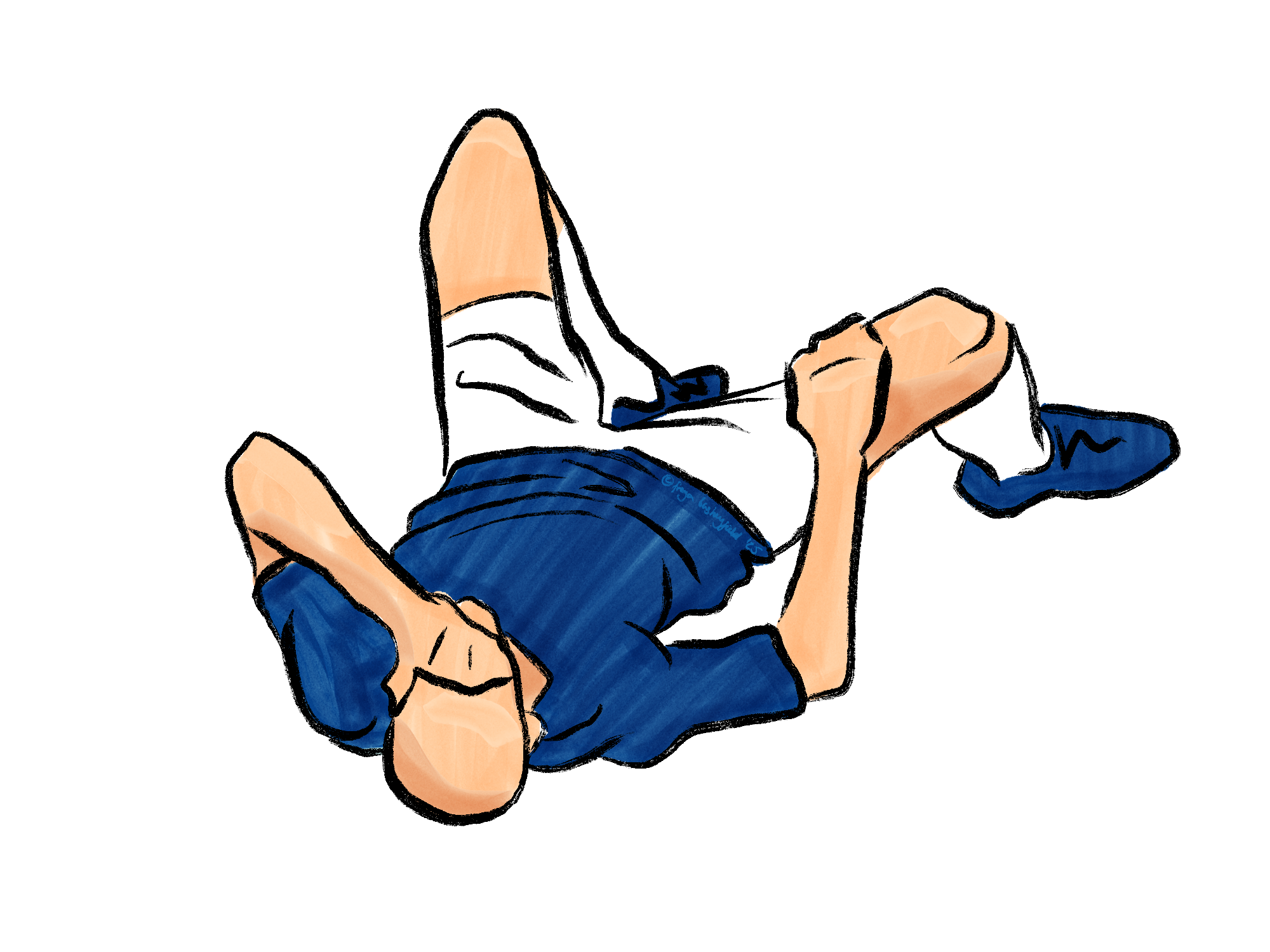
The game combines sprinting, twisting, tackling, jumping, and sudden changes of direction. These movements make injuries to the knee, ankle, calf, and hamstrings particularly common. One of the most significant injuries we see in clinic is a meniscus tear.
Meniscus Tears
The menisci are two C-shaped pieces of cartilage within each knee. They act as shock absorbers, helping to spread forces across the joint and improve stability during movement.
Football is one of the sports most commonly associated with meniscus injuries because of the repeated twisting movements involved. A typical mechanism is rotating on a planted foot while changing direction or being tackled. If the foot stays fixed while the body continues to turn, large forces are transmitted through the cartilage inside the knee.
Players often describe feeling a sharp pain at the time of injury, although symptoms sometimes develop over the following few hours.
Signs of a meniscus tear can include:
* pain along the joint line of the knee
* swelling that develops over several hours
* clicking or catching sensations
* locking of the knee
* pain when squatting or twisting
* reduced confidence when changing direction
Not every twisting injury results in a torn meniscus, but persistent symptoms should be assessed to determine which structures have been affected.
Preventing Knee Injuries
Although not every injury can be avoided, there are ways to reduce your risk.
One of the biggest contributors is poor control during twisting movements. Rather than allowing the foot to remain firmly planted while the upper body rotates, learning to pivot through the foot helps distribute forces more safely throughout the leg.
Strength also plays an important role. Well-conditioned quadriceps, hamstrings, glutes, and calf muscles help control knee position during rapid movements. Good balance and proprioception—the body's awareness of joint position—are equally important, particularly if you've injured the knee or ankle before.
A proper warm-up has consistently been shown to reduce injury rates in football. Dynamic mobility exercises and gradual increases in intensity prepare muscles and joints far more effectively than immediately starting at match pace.
Other Common Football Injuries
While knee injuries often receive the most attention, football places stress throughout the lower limb.
Ankle sprains frequently occur during tackles or awkward landings. Hamstring and calf strains are common during sprinting, while repetitive running can contribute to shin splints or tendon irritation.
Sometimes one injury leads to another. For example, limping after an ankle sprain may alter the way you load your knee or hip, eventually leading to discomfort elsewhere. This is one reason why rehabilitation is so important, even after injuries that initially seem minor.
Osteopathy for Football Injuries
Your osteopath will look at your issues from a high view point, considering the features that may have played a role in the initial injury or delayed its recovery. When an injury is caused by football, of course it helps to look at that risk factor and minimise it. That's not to say that we'll recommend you stop football, usually a few modifications are sufficient.