
Sciatica in Pregnancy
Sciatica in Pregnancy
Pregnancy asks a lot of the body, bringing major hormonal and mechanical shifts. The pelvis and lower back take the brunt of the mechanical changes due to the bump bringing the centre of gravity forward. As the body adapts to a growing baby, it is common to experience aches and pains that were never a problem before. One of the more uncomfortable symptoms some women develop is sciatica.
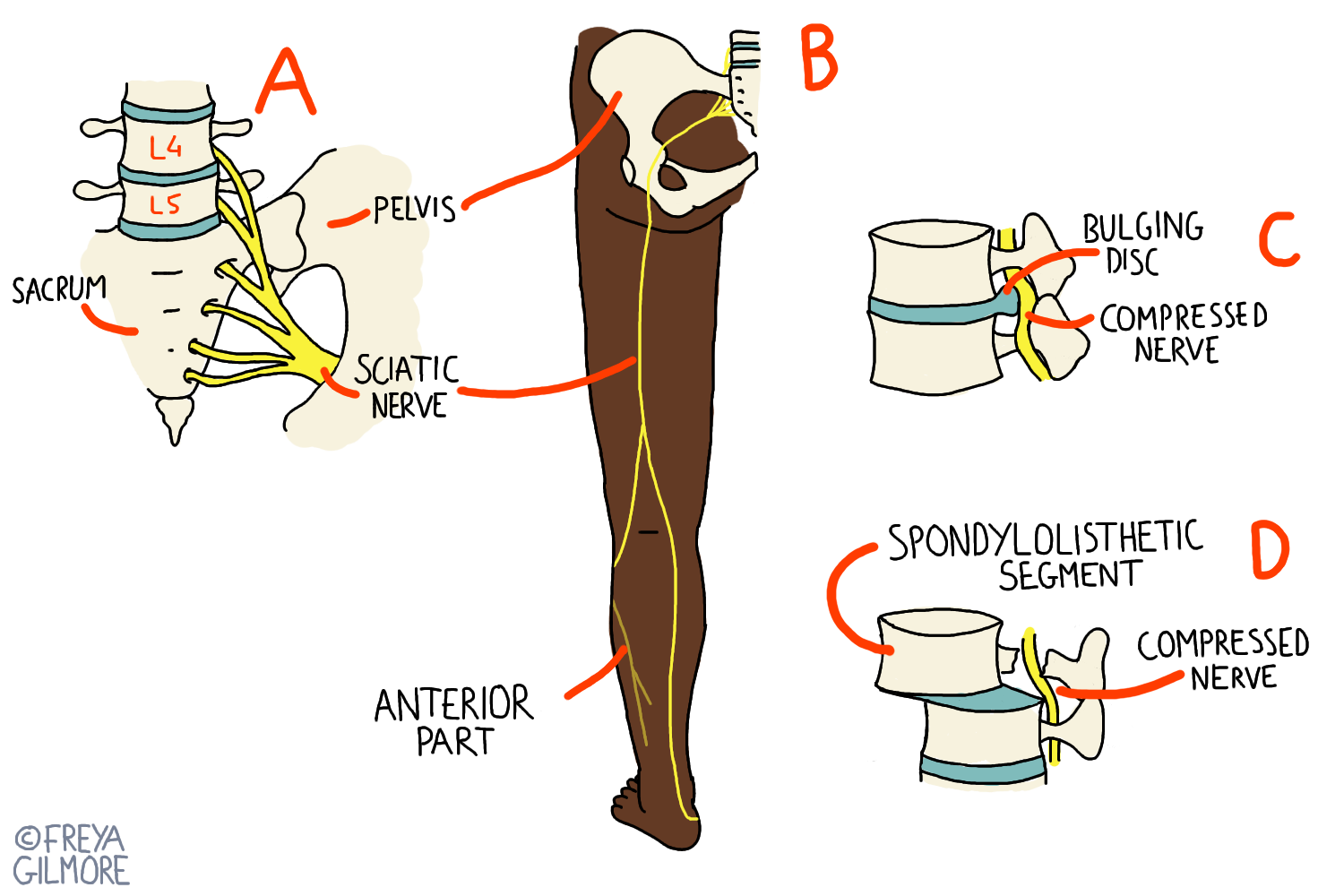
Sciatica describes irritation of the sciatic nerve, which runs from the lower back through the buttock and down the leg. Symptoms may include pain, tingling, burning, numbness, or altered sensation anywhere along this pathway. Patricia commonly sees pregnancy-related sciatic symptoms develop during the second and third trimesters, although they can occur earlier.
Why Pregnancy Can Trigger Sciatica
There are several reasons why pregnancy increases the likelihood of sciatic symptoms.
As the baby grows, the centre of gravity shifts forwards. To compensate, the lower back often develops a more pronounced curve (lordosis). This changes the way load moves through the lumbar spine and pelvis, increasing demand on surrounding muscles and joints.
Hormonal changes also play a role. During pregnancy, hormones such as relaxin increase ligament laxity to prepare the pelvis for childbirth. While this is important physiologically, it can reduce stability around the pelvis and lower back. Muscles then have to work harder to compensate, sometimes leading to tension around the sciatic nerve.
The nerve itself is rarely directly compressed by the baby. More commonly, symptoms arise because surrounding tissues become irritated or overloaded. Tightness through muscles like the piriformis in the buttock can contribute, alongside reduced movement through the lumbar spine or sacroiliac joints.
Symptoms of Pregnancy-Related Sciatica
Sciatic symptoms vary considerably from person to person. Common features include:
pain in the buttock or back of the leg
tingling or pins and needles
burning pain
numbness or altered sensation
symptoms worsened by prolonged standing or walking
difficulty getting comfortable in bed
Some women notice symptoms particularly when turning in bed, climbing stairs, or standing on one leg to get dressed.
Not all leg pain in pregnancy is sciatica. Pelvic girdle pain, hip pain, muscle strain, and vascular changes can sometimes present similarly, so a proper assessment is important.
Mechanical Changes Elsewhere
One of the key features Patricia looks for is how the rest of the body is adapting. Reduced hip mobility, stiffness through the upper back, or altered walking patterns can all increase demand on the lower back and pelvis.
Pregnancy-related pain is rarely about one structure in isolation. For example, if pelvic discomfort changes the way someone walks, tension may build through the glutes, hips, or calves as the body compensates.
These compensatory patterns can persist after pregnancy too if they are not addressed.
Osteopathy for Sciatica in Pregnancy
Patricia takes a gentle, mechanical, and evidence-based approach to treatment during pregnancy. Treatment is adapted appropriately for the stage of pregnancy and individual comfort levels.
The aim is not simply to “chase the pain”, but to improve how the body is functioning overall. This may involve:
improving movement through the pelvis and lower back
reducing excessive muscle tension
improving comfort while walking or sleeping
advising on posture and positioning
helping reduce strain during everyday activities
Practical advice can also make a significant difference. Small changes to sleeping position, getting in and out of the car, or lifting technique may help reduce irritation on sensitive tissues.
If symptoms include significant weakness, changes to bladder or bowel control, or numbness around the saddle area, urgent medical assessment is required.
Pregnancy can be physically demanding, but many cases of sciatic pain improve well with appropriate support and management.
Make an appointment in Flitwick here to discuss your pregnancy-related back or leg pain