
Rotator Cuff Injuries
The rotator cuff is a group of muscles that help with shoulder movement and stability. The muscles blend into tendons before attaching to the humerus (upper arm bone). When these tendons become irritated, damaged or torn, activities like reaching overhead, getting dressed or sleeping on your side can become uncomfortable.
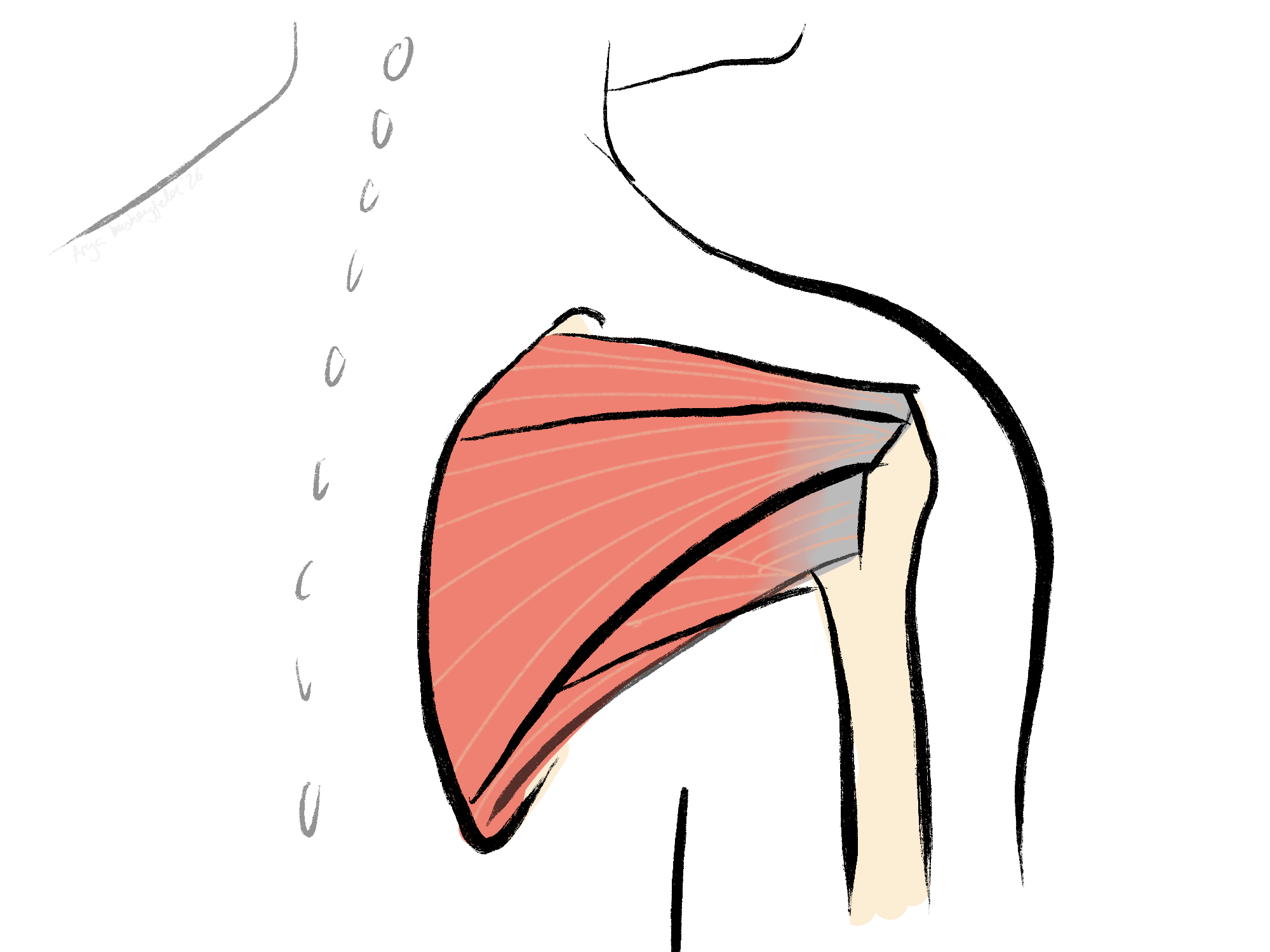
Rotator cuff problems range from mild tendon irritation to substantial tears. Understanding the difference can help guide appropriate treatment and recovery.
What causes rotator cuff injuries?
Rotator cuff injuries can develop suddenly or gradually. A traumatic tear may occur suddenly following a fall onto the arm, a sudden pulling force or lifting something unexpectedly heavy. These injuries can cause immediate pain and weakness, particularly when raising the arm.
More commonly, rotator cuff tendons degenerate over time. Tendons can become less resilient with age, and repeated loading may contribute to symptoms. Activities involving frequent overhead movements, including throwing sports, place additional demands on the shoulder.
It’s good to know that not every painful rotator cuff is torn, and not every tear causes symptoms. Some tears are discovered incidentally during scans, so clinical findings need to be considered alongside imaging.
What are the symptoms?
Common symptoms include pain when lifting the arm or reaching behind the back, weakness during certain movements, and pain when lying on the affected shoulder. Some people notice a painful arc when raising their arm. This is when pain appears and then fades during that movement.
Significant weakness following an injury, an inability to lift the arm, or sudden severe shoulder pain warrants assessment. These symptoms may indicate a substantial tear or another injury requiring further investigation.
Rotator cuff tears, bursitis and calcific tendinopathy
Several shoulder conditions can produce similar symptoms.
Subacromial bursitis involves irritation of a small fluid-filled sac that helps reduce friction around the shoulder tendons. It can occur alongside rotator cuff problems.
Calcific tendinopathy involves calcium deposits within a tendon, often causing shoulder pain and sometimes a particularly painful episode when the deposits provoke an inflammatory response.
Other causes include arthritis and labral injuries. Because symptoms overlap, it’s important not to assume that all pain comes from the rotator cuff. Your osteopath will take a detailed case history and examination to work out what’s causing your symptoms.
How are rotator cuff problems managed?
Management depends on the severity of the injury, the degree of weakness, and the effect on daily life. Degenerative tendon problems often improve with alterations to activity and tailored strengthening exercises.
We may recommend imaging or referral to a specialist where a significant tear is suspected or symptoms persist longer than expected. Some tears require surgery, especially when function is significantly limited.
How can osteopathy help?
We can assess shoulder movement, the surrounding muscles, and the way the neck, upper back and shoulder blade contribute to arm function. Treatment may help address associated muscular tension and movement restrictions, while tailored exercises can support strength and control.
Osteopathy cannot repair a torn tendon, and significant injuries need an appropriate referral. However, when conservative management is appropriate, a structured management plan can help you work towards more comfortable movement and a return to everyday activities.